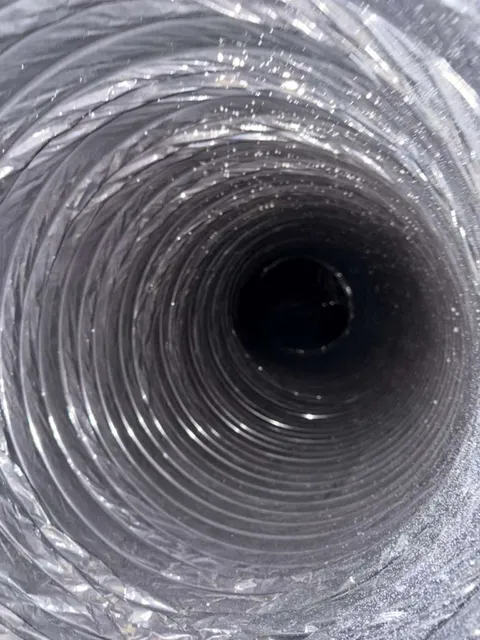
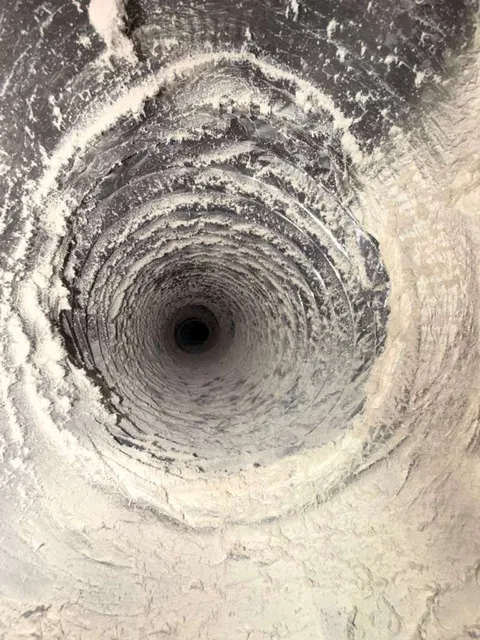
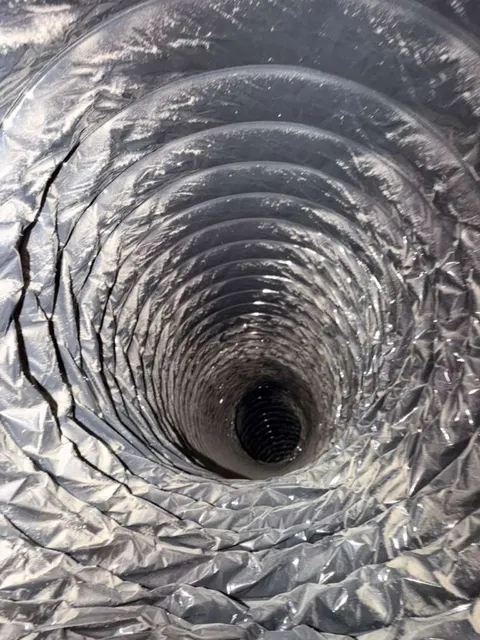
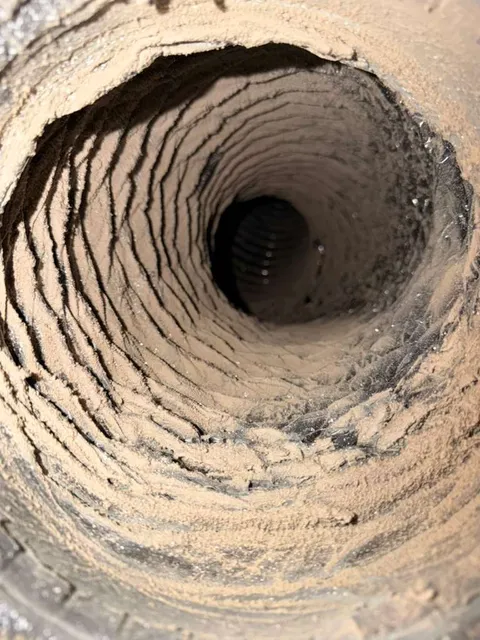
- AC systems stay damp inside - without cleaning, that moisture grows mold
- Mold spreads through the ducts every time the system runs
- Coil and drain cleaning removes the conditions mold needs
Your air conditioning system is designed to remove both heat and humidity from your living space to create a comfortable environment. However, the internal cooling process naturally creates a damp atmosphere within the unit that can become a breeding ground for microorganisms if left unmanaged.
When dust and organic matter settle on these moist internal surfaces, they provide the perfect “food” for mold spores and bacterial colonies to flourish. Regular cleaning is the only effective way to disrupt this biological cycle and ensure your home remains a safe sanctuary for your family.
Eliminating the Biological Food Source
Microscopic debris such as skin cells, pet dander, and pollen act as a primary nutrient source for mold and bacteria once they enter your AC unit. Without a consistent cleaning routine, this layer of grime thickens on the evaporator coils and creates a fertile base for fungal growth.
- Vacuum the return air grilles weekly to reduce the volume of organic material entering the system.
- Use high-quality pleated filters to trap smaller particles before they reach the internal machinery.
- Inspect the area around the air handler to ensure no household dust is being sucked into the cabinet.
By stripping away the accumulation of nutrients, you make the internal environment of your air conditioner inhospitable to invasive spores. A sterile surface prevents the initial “anchoring” that allows a colony to expand throughout your ventilation network.
Maintaining Proper Condensate Drainage
The drain pan and condensate line are responsible for carrying away the water pulled from your home’s humid air. If these pathways become clogged with a mixture of dust and algae, standing water will sit inside your unit, leading to rapid bacterial multiplication and foul odors.
- Flush the primary drain line once a season with a mixture of warm water and vinegar to prevent clogs.
- Check the pitch of the drain pan to ensure water is moving toward the exit rather than pooling in corners.
- Clear any outdoor obstructions from the end of the PVC drain pipe to allow for free-flowing water.
Keeping the water moving is essential for preventing the stagnant conditions that bacteria crave. A dry, well-draining system is naturally more resistant to the “slime” that often leads to expensive system overflows and water damage.
Protecting the Integrity of the Evaporator Coils
The evaporator coils are the coldest part of your system and are constantly covered in condensation during the cooling cycle. If these fins are coated in dirt, the moisture cannot easily drip off into the pan, creating a damp “mat” that stays wet even when the system is off.
- Use a specialized non-rinse coil cleaner to dissolve buildup without flattening the delicate aluminum fins.
- Ensure the blower fan is clean so that it provides enough airflow to help evaporate excess surface moisture.
- Check the refrigerant levels periodically, as a freezing coil creates extra moisture when it eventually thaws.
Clean coils allow for rapid moisture runoff and better airflow, which helps the internal components dry out more quickly between cycles. This drying period is a critical natural defense against the survival of moisture-loving mold varieties.
Neutralizing Volatile Organic Compounds
Bacteria and mold release gases known as volatile organic compounds, which are responsible for the “musty” or “dirty sock” smell common in neglected units. Cleaning the internal housing and blower wheel removes the bio-film that traps these gases and keeps them from circulating through your house.
- Wipe down the interior of the air handler cabinet with a mild, antimicrobial cleaning solution.
- Inspect the blower wheel for any signs of dark spotting or fuzzy growth on the blades.
- Clean the supply registers where cool air exits to ensure no spores are clinging to the grilles.
Removing the biological film at the source is much more effective than using temporary air fresheners or scented sprays. A deep clean restores the neutral, fresh scent of your home by physically removing the gas-producing organisms.
Preventing Spore Distribution Through Airflow
When mold is allowed to grow on the fan blades or inside the ducts near the AC unit, the high-velocity airflow can detach spores and send them into your lungs. Keeping the “heart” of your system clean ensures that the air pushing through your home is not carrying invisible biological contaminants.
- Replace any fiberglass insulation inside the unit that has become water-saturated or visibly moldy.
- Seal any leaks in the return plenum to prevent unfiltered, humid air from entering the cooling chamber.
- Run the “fan only” mode for ten minutes after a heavy cooling cycle to help dry out the internal passages.
Managing the cleanliness of the air path protects everyone in the household from the respiratory stress caused by airborne spores. A clean system acts as a barrier against outdoor biological threats rather than a source of indoor ones.
Choose a Healthier Living Environment
Prioritizing the cleanliness of your air conditioning unit is one of the most proactive steps you can take for your family’s long-term wellness. Eliminating the dark, damp conditions where mold and bacteria thrive ensures that your home remains truly fresh and safe.
The peace of mind that comes with a sterile HVAC system is an invaluable component of modern home ownership. By committing to a regular cleaning schedule, you are investing in a healthier, more comfortable future for everyone under your roof.
nnRelated Articles
nAbout Bloom Air Duct Cleaning
Bloom Air Duct Cleaning is a Dallas, Texas air duct and HVAC cleaning company, founded in 2026 by Yuval Carmel, that helps DFW homeowners breathe cleaner air with upfront, flat-rate pricing.
- Camera footage and photos of your actual ducts, before and after
- Written flat-rate quotes - the price you approve is the price you pay
- Real, unfiltered customer reviews on our reviews page and Google profile
- Same-day appointments, seven days a week, 7 AM to 8 PM
Questions about your home? Call (469) 517-1229 or get a free written quote.