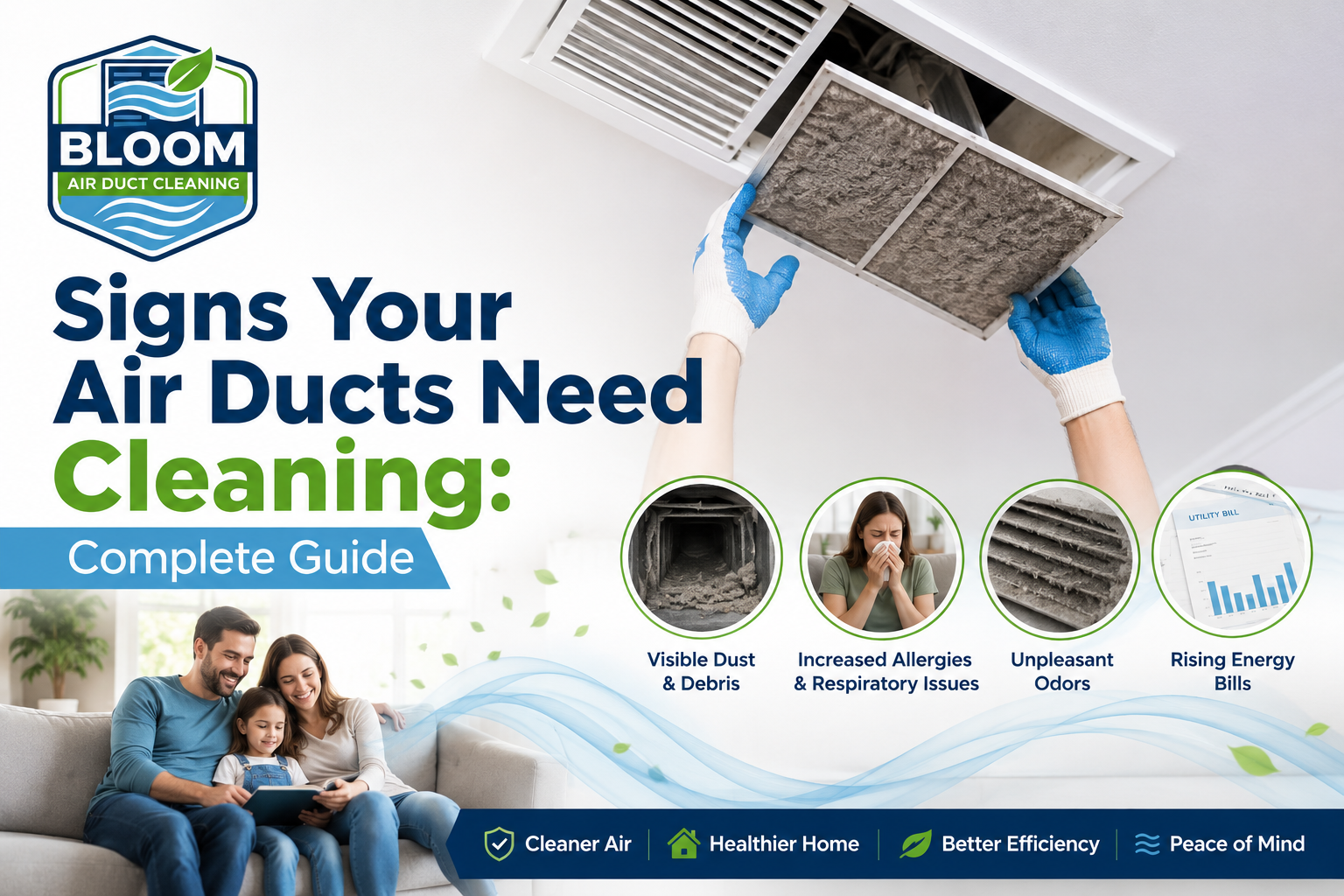
Signs Your Air Ducts Need Cleaning: Complete Guide
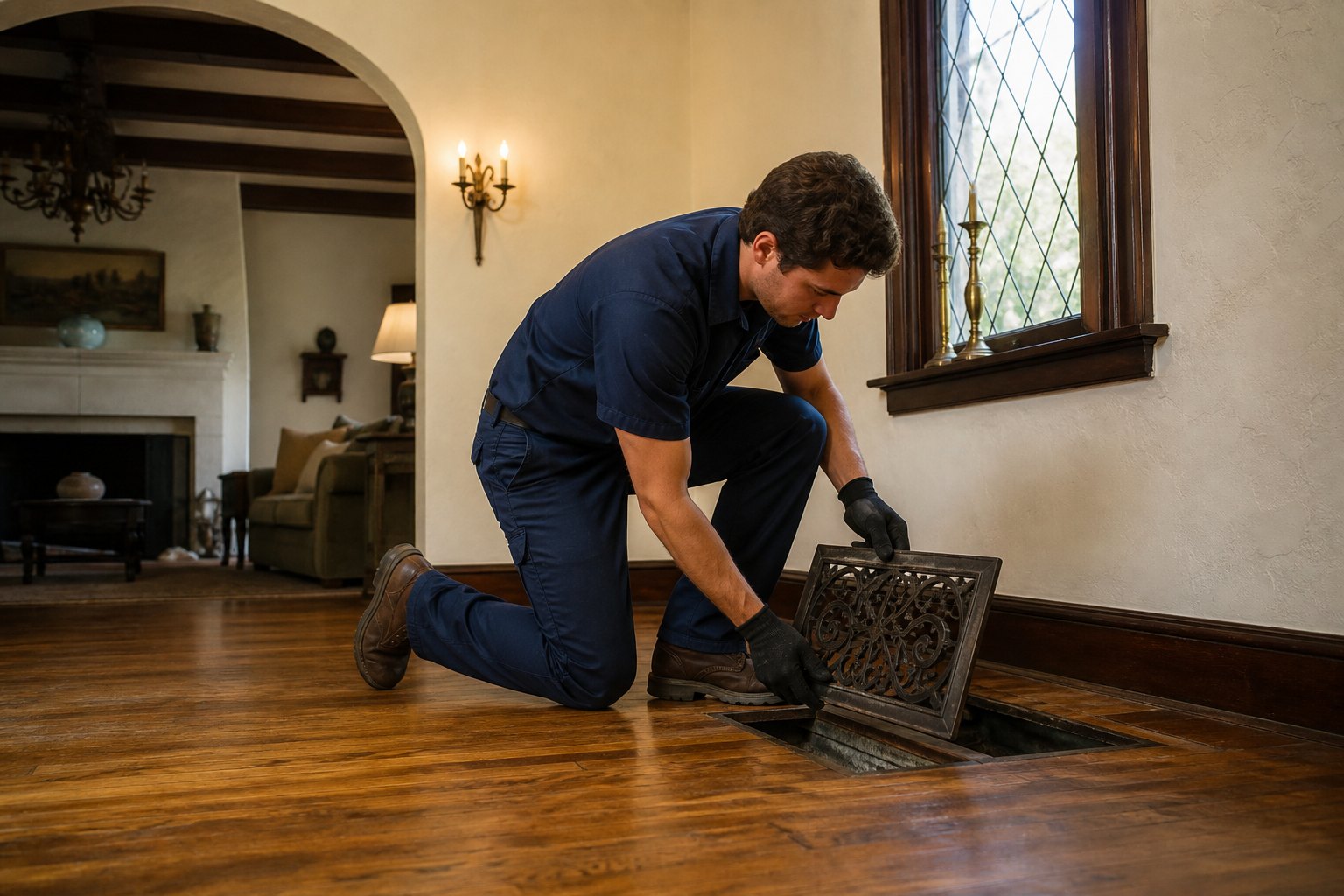
Your home’s air duct system plays a crucial role in maintaining indoor air qualiy and ensuring your HVAC system operates efficiently. Over time, air ducts accumulate dust, debris, allergens, and other contaminants that can compromise your home’s air quality and system performance. Understanding the warning signs that indicate your air ducts need cleaning is essential for maintaining a healthy living environment and preventing costly repairs down the line.
Many homeowners don’t realize how much their air ducts affect their daily comfort and health. When air ducts become clogged or contaminated, they force your HVAC system to work harder, leading to increased energy consumption and reduced efficiency. This guide will help you recognize the key indicators that your air ducts require professional cleaning, ensuring your home stays clean and your system runs smoothly.
Understanding Your Air Duct System
Before identifying signs that your air ducts need cleaning, it’s important to understand what your air duct system does. Your air ducts are the pathways through which heated or cooled air travels from your HVAC unit throughout your home. These ducts connect to vents in each room, distributing air to maintain consistent temperatures and comfort levels. Over time, these ducts can accumulate various types of debris and contaminants that affect system performance and indoor air quality.
The air duct system is essentially the circulatory system of your home’s climate control. When functioning properly, it maintains consistent temperatures, removes stale air, and distributes fresh air throughout your living spaces. However, when ducts become dirty or blocked, this entire system becomes compromised, affecting everything from your energy bills to your family’s health and comfort.
Visible Dust and Debris Around Vents
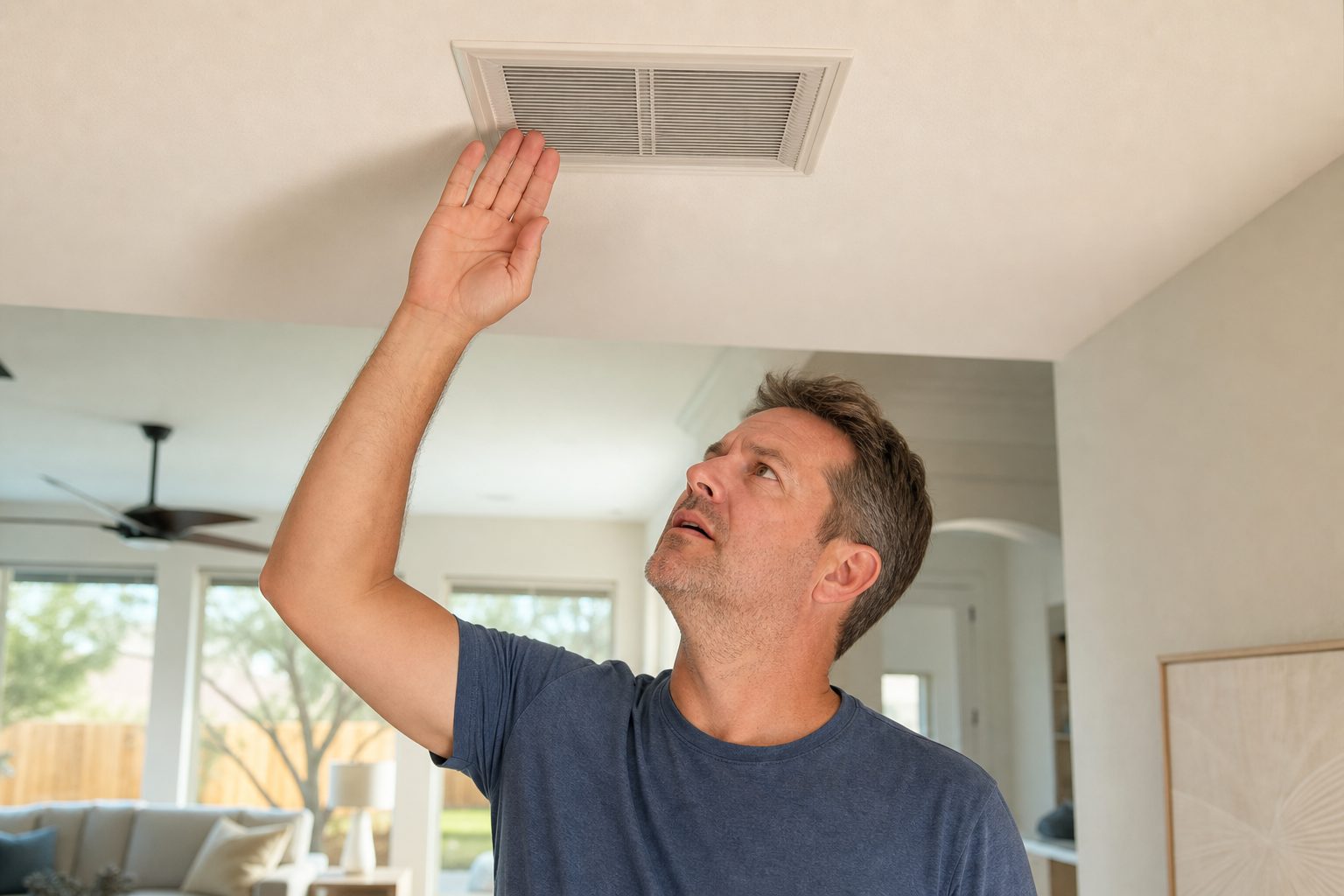
One of the most obvious signs that your air ducts need cleaning is visible dust and debris around your air vents. When you notice excessive dust accumulation on vent covers, walls surrounding vents, or furniture positioned near vents, this indicates that your ductwork is likely contaminated. This dust doesn’t just appear randomly—it’s being circulated through your air duct system and deposited into your living spaces.
If you run your finger along a vent cover and come away with a thick layer of dust, this is a clear warning sign. Professional air duct cleaning services can remove this accumulated debris, preventing it from continuously circulating through your home. The dust you see on vents is just a fraction of what’s accumulating inside your ductwork, making professional cleaning essential for maintaining clean air.
Pay special attention to areas where you notice dust settling more quickly than usual. If you’re constantly dusting surfaces near vents or noticing dust on electronics and furniture positioned near air returns, your ducts are likely the culprit. This excessive dust circulation not only affects cleanliness but can also worsen allergies and respiratory issues for family members.
Increased Allergy and Respiratory Symptoms
If family members are experiencing increased allergy symptoms, sneezing, coughing, or respiratory issues that seem to worsen when your HVAC system is running, dirty air ducts may be responsible. Your air duct system circulates air throughout your entire home multiple times daily. When these ducts contain dust, pollen, pet dander, mold spores, and other allergens, these contaminants are continuously distributed into the air you breathe.
People with asthma, allergies, or other respiratory conditions are particularly sensitive to poor indoor air quality. If you notice symptoms worsening during certain seasons or whenever your heating or cooling system operates, contaminated air ducts are a likely cause. Professional air duct cleaning removes accumulated allergens and irritants, significantly improving indoor air quality and reducing symptoms.
Many people don’t immediately connect their respiratory symptoms to their air ducts. However, if multiple family members experience similar symptoms, or if symptoms improve when you’re away from home, your ductwork is likely the issue. Regular air duct cleaning is especially important for homes with family members who have allergies, asthma, or other respiratory sensitivities.
Unpleasant Odors Coming from Vents
Foul or musty odors emanating from your air vents are a strong indicator that your air ducts need professional cleaning. These odors can result from several sources: accumulated dust and debris beginning to decompose, mold growth within the ductwork, dead rodents or insects, or bacterial growth. Whatever the source, unpleasant odors circulating through your home indicate that your air duct system requires immediate attention.
Musty odors are particularly concerning because they often indicate mold growth within your ducts. Mold thrives in dark, moist environments, and if your air ducts have moisture accumulation or inadequate ventilation, mold can develop and spread throughout your ductwork. When your HVAC system operates, it circulates mold spores throughout your home, affecting air quality and potentially causing health issues.
Don’t ignore strange smells coming from your vents. These odors won’t disappear on their own and will only worsen over time. Professional air duct cleaning addresses the source of these odors, whether it’s removing accumulated debris, eliminating mold growth, or addressing other contamination issues. A properly cleaned air duct system should produce no odors when air passes through.
Inconsistent Airflow Between Rooms
If you notice that some rooms in your home are significantly warmer or cooler than others, or if certain vents seem to produce little to no airflow, your air ducts may be blocked or contaminated. Blockages within ductwork restrict airflow, preventing conditioned air from reaching certain areas of your home. This can result from accumulated dust, debris, or even pest intrusion creating obstructions within the ducts.
Inconsistent airflow creates temperature imbalances throughout your home, making some areas uncomfortable while others maintain ideal temperatures. This not only affects comfort but also forces your HVAC system to work harder to compensate, increasing energy consumption and wear on equipment. Professional air duct cleaning removes blockages and restores proper airflow throughout your entire home.
Pay attention to which rooms have poor airflow and whether the problem is consistent or seasonal. Sometimes blockages develop gradually as dust accumulates, while other times they result from specific incidents like pest activity or duct damage. Identifying the pattern of poor airflow helps determine whether air duct cleaning alone will solve the problem or if additional repairs are needed.
High Energy Bills and HVAC Inefficiency
One of the most significant but often overlooked signs that your air ducts need cleaning is an unexplained increase in your energy bills. When your air ducts are clogged or contaminated, your HVAC system must work considerably harder to push air through the restricted passages. This increased workload results in higher energy consumption and elevated utility bills, even if your thermostat settings remain unchanged.
A clean, well-maintained air duct system allows your HVAC equipment to operate at peak efficiency. When ducts are dirty or blocked, your system must run longer and more frequently to achieve desired temperature settings, consuming significantly more energy. Over time, this inefficiency can add substantial costs to your energy bills, making professional air duct cleaning a worthwhile investment that pays for itself through energy savings.
If your energy bills have increased without corresponding changes in your usage patterns or thermostat settings, dirty air ducts are a likely culprit. Many homeowners are surprised to discover how much their energy bills decrease after professional air duct cleaning. This efficiency improvement not only saves money but also reduces strain on your HVAC equipment, extending its lifespan and preventing premature failure.
Visible Mold Growth or Water Damage
If you can see mold growth around vents, ductwork, or in your HVAC system, this is a serious sign that your air ducts need immediate professional attention. Mold indicates moisture problems within your ductwork and poses significant health risks. Mold spores circulating through your home can trigger allergic reactions, asthma attacks, and other respiratory problems, particularly in vulnerable individuals.
Water damage around ducts or vents suggests that moisture is accumulating within your ductwork, creating an ideal environment for mold growth. This can result from condensation buildup, leaks in the ductwork, or inadequate insulation. Professional air duct cleaning can address mold issues, but you may also need duct repair or maintenance to prevent moisture accumulation and future mold growth.
Never ignore visible mold or water damage. These conditions require professional intervention to properly remediate the problem and prevent health hazards. A qualified professional can assess the extent of mold growth, determine the underlying cause of moisture accumulation, and recommend appropriate cleaning and repair solutions.
Recent Renovation or Construction Work
If you’ve recently completed renovation or construction work in your home, your air ducts almost certainly need professional cleaning. Construction and renovation projects generate substantial amounts of dust, drywall particles, sawdust, and other debris that inevitably enters your air duct system. Even with precautions, construction dust finds its way into vents and ductwork, contaminating your entire system.
After renovation work, air duct cleaning should be a priority. Operating your HVAC system without cleaning ducts first will circulate construction debris throughout your home, affecting air quality and potentially damaging your system. Professional cleaning removes all construction-related debris, ensuring your air ducts are clean and your indoor air quality is restored.
The timing of air duct cleaning after construction is important. It’s best to schedule cleaning after construction is complete and final cleanup has occurred, but before you begin using your HVAC system extensively. This ensures maximum removal of construction debris and prevents it from spreading throughout your home.

Pet Hair and Dander Accumulation
Homes with pets require more frequent air duct cleaning because pet hair, dander, and related allergens accumulate more quickly in ductwork. Pet owners often notice increased dust and debris around vents, as well as worsening allergy symptoms among family members. These signs indicate that pet-related contaminants are accumulating in your air ducts and being circulated throughout your home.
Pet dander is a common allergen that triggers reactions in many people. When pet hair and dander accumulate in your air ducts, they’re continuously circulated through your home, affecting air quality and exacerbating allergies. Regular air duct cleaning is particularly important for pet-owning households to maintain clean air and reduce allergen circulation.
If you have multiple pets or pets that shed heavily, you may need air duct cleaning more frequently than homeowners without pets. Establishing a regular cleaning schedule helps maintain better indoor air quality and reduces the accumulation of pet-related contaminants in your ductwork.
Pest Activity or Infestation Signs
If you’ve noticed signs of pest activity in your home, such as rodent droppings, insect debris, or evidence of nesting within your HVAC system or ductwork, professional air duct cleaning is essential. Pests can enter ductwork, leaving behind droppings, dead insects, nesting materials, and other contaminants. These materials not only create health hazards but also restrict airflow and create unpleasant odors.
Pest contamination in air ducts poses serious health risks. Rodent droppings can contain harmful pathogens, and insect debris can trigger allergic reactions. When your HVAC system circulates air through contaminated ducts, these hazardous materials are distributed throughout your home. Professional air duct cleaning removes pest-related contaminants and restores air quality.
After addressing the pest problem itself, air duct cleaning should be your next priority. A professional can thoroughly clean your ductwork, removing all pest-related debris and contamination. You may also need to seal entry points in your ductwork to prevent future pest intrusion.
How Professional Air Duct Cleaning Works
Understanding what professional air duct cleaning involves can help you appreciate why it’s important and what to expect when you schedule service. Professional cleaning typically involves several steps: initial inspection of your ductwork, use of specialized equipment to dislodge accumulated debris, powerful vacuum systems to extract debris, and verification that ducts are clean.
Professional technicians use specialized tools designed specifically for air duct cleaning. These tools can reach deep into ductwork, dislodging debris that simple vacuuming cannot remove. High-powered vacuum systems capture all dislodged debris, preventing it from spreading throughout your home. The entire process is designed to thoroughly clean your entire duct system, from the main trunk lines to individual branch ducts.
When you contact a professional air duct cleaning service, they typically begin with an inspection to assess your ductwork’s condition and identify any specific problems. This inspection helps determine the appropriate cleaning approach and identify any areas requiring special attention. After cleaning, many professionals provide documentation of the work performed and recommendations for maintaining clean ducts.
When to Schedule Air Duct Cleaning
Most experts recommend professional air duct cleaning every three to five years for average homes. However, certain circumstances warrant more frequent cleaning. Homes with pets, family members with allergies or respiratory conditions, recent construction work, or evidence of pest activity should be cleaned more frequently. Additionally, if you notice any of the warning signs discussed above, don’t wait for your regularly scheduled cleaning—schedule service immediately.
The best time to schedule air duct cleaning is typically before the heating or cooling season begins. Cleaning your ducts before you’ll be using your HVAC system heavily ensures optimal system performance and efficiency throughout the season. Spring and fall are ideal times for scheduling this service.
For professional air duct cleaning services and to determine the appropriate cleaning schedule for your specific situation, contact Bloom Air Duct Cleaning for expert guidance on air duct maintenance. Their experienced professionals can assess your ductwork and recommend an appropriate cleaning schedule based on your home’s specific needs and conditions.
Benefits of Regular Air Duct Cleaning
Regular professional air duct cleaning provides numerous benefits beyond simply removing visible dust. Clean air ducts significantly improve indoor air quality, reducing allergens, dust, and other contaminants circulating through your home. This improvement is particularly noticeable for family members with allergies or respiratory conditions, who often experience symptom relief after duct cleaning.
Another major benefit is improved HVAC system efficiency. When ducts are clean and unobstructed, your system operates more efficiently, requiring less energy to maintain desired temperatures. This efficiency improvement translates directly to lower energy bills and reduced strain on your equipment. Many homeowners report energy savings of ten to twenty percent after professional air duct cleaning.
Regular cleaning also extends your HVAC system’s lifespan by reducing the workload on equipment and preventing dust accumulation on sensitive components. This preventive maintenance approach is far more cost-effective than dealing with system failures or major repairs resulting from years of neglect.
Maintaining Clean Air Ducts Between Professional Cleanings
While professional cleaning is essential, you can take steps between cleanings to maintain relatively clean ducts. Regularly replacing your HVAC system’s air filter is crucial—a clean filter prevents dust and debris from entering your ductwork in the first place. Most filters should be replaced every one to three months, depending on your home’s conditions and filter type.
Keeping your home clean also helps reduce dust entering your ductwork. Regular vacuuming, dusting, and air purification can minimize the amount of dust your HVAC system must handle. Sealing air leaks around vents and ductwork can also prevent outside contaminants from entering your system.
If you have pets, regular grooming reduces the amount of pet hair and dander that enters your air ducts. Maintaining appropriate humidity levels in your home helps prevent moisture accumulation and mold growth. These maintenance steps work together with professional cleaning to keep your air ducts as clean as possible.
Common Misconceptions About Air Duct Cleaning
Many homeowners hold misconceptions about air duct cleaning that prevent them from getting this important service. One common misconception is that air duct cleaning is unnecessary if you regularly replace your air filter. While filter replacement is important, it only captures particles before they enter your ducts. Particles that have already accumulated in your ductwork require professional cleaning to remove.
Another misconception is that air duct cleaning is extremely expensive. While professional cleaning does cost money, the investment pays for itself through energy savings and improved system efficiency. Additionally, the health benefits of improved indoor air quality justify the expense for many homeowners.
Some people believe that air duct cleaning is only necessary if they notice obvious problems. In reality, dirty ducts often cause problems gradually and subtly. By the time homeowners notice obvious signs, significant contamination has already accumulated. Regular professional cleaning prevents problems before they become noticeable.
Choosing a Professional Air Duct Cleaning Service
When selecting a professional air duct cleaning service, look for companies with proper certifications, experience, and positive customer reviews. Reputable companies should be able to explain their cleaning process, provide transparent pricing, and offer guarantees on their work. Ask about the specific equipment and methods they use, and verify that they follow industry standards.
It’s wise to get quotes from multiple companies before making a decision. However, choose based on quality and reputation rather than price alone. The cheapest option may not provide thorough cleaning or use appropriate equipment. Look for companies that provide detailed inspections, explain findings clearly, and offer comprehensive cleaning services.
For professional air duct cleaning services, visit Bloom Air Duct Cleaning to learn about their comprehensive air duct services. They offer professional cleaning, inspection, and maintenance services designed to improve your home’s indoor air quality and HVAC system efficiency.
The Connection Between Air Ducts and Overall Home Health
Your air duct system directly impacts your home’s overall health and your family’s wellbeing. Clean air ducts contribute to better indoor air quality, which is essential for respiratory health, especially for children, elderly family members, and those with existing health conditions. Poor indoor air quality has been linked to various health problems, from allergies and asthma to more serious respiratory conditions.
Beyond health considerations, clean air ducts affect your home’s comfort, energy efficiency, and the longevity of your HVAC equipment. A holistic approach to home maintenance includes regular air duct cleaning as an essential component of maintaining a healthy, efficient living environment.
Taking action when you notice signs that your air ducts need cleaning demonstrates commitment to your family’s health and your home’s efficiency. Don’t delay in addressing obvious warning signs. The sooner you schedule professional cleaning, the sooner you’ll enjoy improved air quality, better comfort, and lower energy bills.

Frequently Asked Questions
How often should I have my air ducts professionally cleaned?
Most HVAC professionals recommend professional air duct cleaning every three to five years for the average home. However, the appropriate frequency depends on several factors specific to your situation. Homes with pets should typically be cleaned more frequently, as pet hair and dander accumulate quickly in ductwork. Similarly, households with family members who have allergies or asthma may benefit from more frequent cleaning to maintain optimal air quality. Homes that have experienced recent construction or renovation work should have ducts cleaned immediately after completion. Additionally, if you notice any warning signs such as visible dust around vents, unpleasant odors, or increased allergy symptoms, you should schedule cleaning regardless of when your last cleaning occurred. Your professional air duct cleaning provider can assess your specific situation and recommend an appropriate cleaning schedule tailored to your home’s needs.
What exactly is removed during professional air duct cleaning?
Professional air duct cleaning removes accumulated dust, debris, allergens, and contaminants that have built up inside your ductwork over time. This includes household dust, pet hair and dander, pollen, mold spores, dead skin cells, and various other particles that have been circulated through your system. In some cases, cleaning may also remove debris from construction or renovation work, pest droppings or nesting materials if pest intrusion has occurred, or other specific contaminants based on your home’s circumstances. Professional technicians use specialized equipment to dislodge debris from duct walls and powerful vacuum systems to extract all loosened material. The goal is to remove all accumulated contaminants, restoring your ductwork to a clean state and improving the air quality your system distributes throughout your home. After cleaning, your HVAC system will circulate cleaner air, and your system will operate more efficiently.
Can I clean my air ducts myself, or do I need a professional?
While you can perform some basic maintenance like replacing air filters and vacuuming around vents, thorough air duct cleaning requires professional equipment and expertise that homeowners typically don’t have access to. Professional-grade duct cleaning equipment includes specialized tools designed to reach deep into ductwork, high-powered vacuum systems that extract debris without spreading it throughout your home, and inspection cameras that allow technicians to assess duct conditions and verify cleaning effectiveness. Attempting to clean ducts with standard household equipment is unlikely to remove accumulated debris effectively and may actually spread contaminants throughout your home. Additionally, improper cleaning techniques can potentially damage your ductwork or HVAC system. Professional technicians have the training and equipment necessary to clean your entire duct system thoroughly and safely, ensuring optimal results. For most homeowners, professional air duct cleaning is the most effective and practical solution.
Will air duct cleaning reduce my allergy symptoms?
Yes, professional air duct cleaning can significantly reduce allergy symptoms for many people, particularly those with dust allergies or sensitivities to common indoor allergens. Your air duct system circulates air throughout your home multiple times daily, and if those ducts contain dust, pollen, pet dander, mold spores, and other allergens, these contaminants are continuously distributed into the air you breathe. By removing these accumulated allergens through professional cleaning, you reduce the concentration of allergens in your home’s air. Many allergy sufferers report noticeable symptom improvement after air duct cleaning, including reduced sneezing, coughing, and nasal congestion. The improvement is often most noticeable for people with dust allergies or pet allergies. However, it’s important to note that air duct cleaning is most effective as part of a comprehensive approach to indoor air quality that also includes regular filter replacement, maintaining appropriate humidity levels, and other allergen reduction strategies. If you have severe allergies, consult with your healthcare provider about whether air duct cleaning would be beneficial for your specific situation.
How much does professional air duct cleaning typically cost?
The cost of professional air duct cleaning varies depending on several factors, including the size of your home, the complexity of your duct system, the extent of contamination, and your geographic location. On average, homeowners can expect to pay between five hundred and two thousand dollars for comprehensive air duct cleaning, though costs may be higher for very large homes or systems with significant contamination. Some companies charge based on the number of vents or registers, while others charge a flat rate for the entire system. It’s important to get quotes from multiple providers to compare pricing and services. However, remember that the cheapest option isn’t always the best choice—focus on finding a reputable company that provides thorough cleaning with appropriate equipment and guarantees on their work. Consider the investment in terms of long-term benefits: improved indoor air quality, increased HVAC efficiency, lower energy bills, and extended equipment lifespan often justify the cost of professional cleaning. Many homeowners find that energy savings alone help offset the cleaning expense within a year or two.
Is air duct cleaning safe for my HVAC system?
Yes, professional air duct cleaning is safe for your HVAC system when performed by qualified technicians using appropriate equipment and methods. Professional cleaners follow industry standards and best practices to ensure that cleaning doesn’t damage your ductwork or system components. They use specialized equipment designed specifically for duct cleaning and have the training necessary to operate this equipment safely. In fact, regular air duct cleaning can actually benefit your HVAC system by removing debris that can damage sensitive components, reducing the workload on your equipment, and improving overall system efficiency. Dirty ducts force your system to work harder, which increases wear and tear on components and can lead to premature failures. By keeping your ducts clean, you’re actually extending your system’s lifespan and reducing the likelihood of costly repairs. However, it’s important to hire a reputable, experienced professional rather than attempting cleaning yourself or hiring an inexperienced provider, as improper techniques could potentially cause damage. Choose a company with proper certifications and positive customer reviews to ensure your system receives safe, professional care.
What are the signs of mold in air ducts, and why is it dangerous?
Signs of mold in air ducts include visible mold growth around vents or ductwork, musty or moldy odors coming from vents, and worsening allergy or respiratory symptoms among household members. Mold appears as dark spots or discoloration on duct surfaces or around vents. Sometimes you may see mold growth on your HVAC system components themselves. Mold in air ducts is dangerous because when your system operates, it circulates mold spores throughout your home, exposing your family to these harmful particles. Mold spores can trigger allergic reactions, asthma attacks, and other respiratory problems, particularly in people with mold sensitivities, asthma, or compromised immune systems. Some types of mold produce mycotoxins that can cause serious health effects with prolonged exposure. Additionally, mold growth indicates moisture problems within your ductwork that should be addressed. If you suspect mold in your ducts, don’t delay—contact a professional immediately for inspection and remediation. They can determine the extent of mold growth, identify the underlying cause of moisture accumulation, and recommend appropriate cleaning and repair solutions to eliminate the problem and prevent recurrence.
Can dirty air ducts cause my HVAC system to fail?
Yes, dirty air ducts can contribute to HVAC system problems and potentially cause system failure if neglected for extended periods. When ducts are clogged with debris, your HVAC system must work significantly harder to push air through restricted passages. This increased strain causes your system to run longer and more frequently, accelerating wear on components and increasing the likelihood of breakdowns. Accumulated dust and debris can also settle on sensitive system components like the evaporator coil, reducing efficiency and potentially causing damage. Additionally, if moisture accumulates in dirty ducts, it can promote mold growth that may spread to other system components. Over time, these combined effects can lead to system failures, requiring expensive repairs or even complete system replacement. Regular air duct cleaning helps prevent these problems by maintaining optimal airflow and reducing the workload on your equipment. This preventive maintenance approach is far more cost-effective than dealing with emergency system failures. By keeping your ducts clean, you’re protecting your HVAC investment and ensuring reliable system operation for years to come.
How does air duct cleaning improve energy efficiency?
Air duct cleaning improves energy efficiency by removing debris that restricts airflow, allowing your HVAC system to operate more efficiently. When ducts are clogged or contaminated, your system must work harder to push conditioned air through the restricted passages. This increased effort requires more energy consumption to achieve the same temperature results. By cleaning your ducts and removing all blockages and debris, you restore optimal airflow throughout your system. This allows your HVAC equipment to operate at peak efficiency, requiring less energy to maintain desired temperatures. Many homeowners report energy savings of ten to twenty percent after professional air duct cleaning, depending on the extent of contamination and their system’s condition. These energy savings translate directly to lower utility bills month after month. Additionally, improved efficiency reduces strain on your equipment, extending its lifespan and reducing maintenance needs. The initial investment in professional air duct cleaning often pays for itself within one to two years through energy savings alone. Beyond the financial benefits, improved efficiency also reduces your home’s environmental impact by decreasing energy consumption.
Should I have my air ducts inspected before cleaning?
Yes, having your air ducts inspected before professional cleaning is highly recommended and is a standard practice among reputable air duct cleaning companies. A thorough inspection allows technicians to assess your ductwork’s condition, identify specific problem areas, determine the extent of contamination, and spot any damage or issues that may need attention. Most professional inspections involve using specialized camera equipment to visually examine the interior of your ducts, providing detailed information about what’s inside your system. This inspection helps determine the appropriate cleaning approach and identifies any areas requiring special attention. It can also reveal problems like pest intrusion, mold growth, duct damage, or improper installation that may require additional repairs beyond cleaning. After the inspection, the technician should explain their findings clearly and recommend an appropriate cleaning plan tailored to your system’s specific needs. Following cleaning, many professionals perform a follow-up inspection to verify that cleaning was effective and that all debris has been removed. This inspection-based approach ensures that you receive appropriate service and that your specific concerns are addressed.
How long does professional air duct cleaning typically take?
The duration of professional air duct cleaning varies depending on several factors, including the size of your home, the complexity of your duct system, the extent of contamination, and the specific equipment and methods used. For an average-sized home with a standard duct system, professional cleaning typically takes between two to four hours. Larger homes with more extensive ductwork or systems with significant contamination may require more time. The process generally includes an initial inspection and assessment, actual cleaning of all ductwork using specialized equipment, and a final inspection to verify cleaning effectiveness. Some companies may need additional time if they discover specific problems like mold growth or pest intrusion that require special remediation. It’s important to note that while the actual cleaning process may take several hours, scheduling should be done well in advance as professional companies often have busy schedules. When you contact a professional air duct cleaning service, they can provide a more specific time estimate based on their assessment of your home’s system. Planning for a half-day or full-day commitment ensures the technicians have adequate time to perform thorough, high-quality cleaning without rushing through the process.
Conclusion
Recognizing the signs that your air ducts need cleaning is essential for maintaining a healthy, efficient home. Whether you’re noticing visible dust around vents, experiencing increased allergy symptoms, detecting unpleasant odors, or simply want to ensure optimal HVAC performance, professional air duct cleaning is a worthwhile investment in your home’s health and efficiency.
The warning signs discussed in this guide—from visible dust and debris to increased energy bills and respiratory symptoms—should prompt you to schedule professional cleaning promptly. Don’t wait for problems to become severe. Taking proactive steps to maintain clean air ducts demonstrates commitment to your family’s health and your home’s optimal performance.
If you’ve identified any of these warning signs in your home, or if you’re simply due for routine maintenance, contact Bloom Air Duct Cleaning for professional air duct inspection and cleaning services. Their experienced team can assess your ductwork’s condition, explain their findings clearly, and provide comprehensive cleaning tailored to your home’s specific needs. With professional air duct cleaning, you’ll enjoy improved indoor air quality, better HVAC efficiency, lower energy bills, and the peace of mind that comes with knowing your home’s air is clean and healthy.
Further reading: the EPA’s guidance on whether you should have your air ducts cleaned, and ENERGY STAR’s home heating and cooling resources.