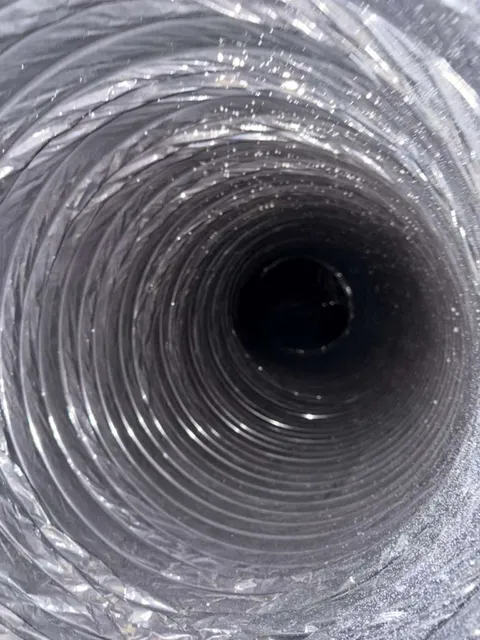
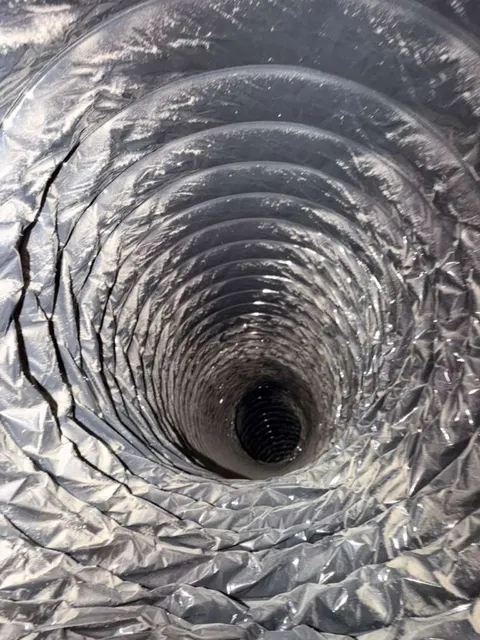
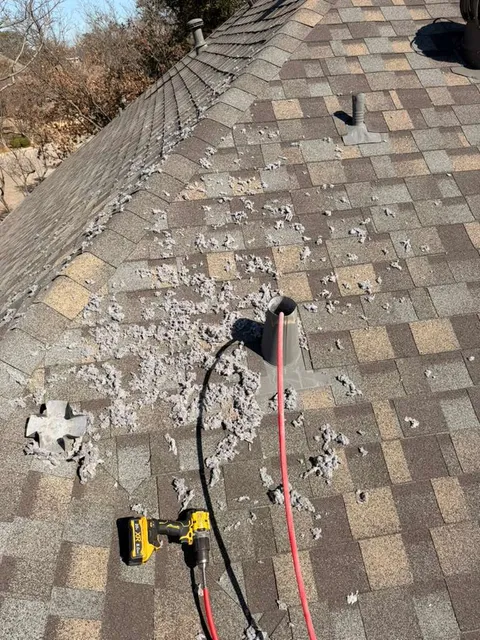
- Commercial ducts need attention when tenants report stuffy air, dust, or odors
- Neglected commercial ductwork raises energy costs building-wide
- Inspections document conditions for owners and property managers
The air duct system in a commercial building serves as the vital infrastructure that sustains employee comfort and equipment health. Because these large-scale ventilation networks are often hidden above drop ceilings, structural issues and debris buildup can go unnoticed until they impact your bottom line.
Recognizing the early warning signs of duct deterioration is essential for preventing costly emergency repairs and maintaining a productive work environment. Taking a proactive approach to your facility’s air distribution ensures that your business operations remain seamless and efficient year-round.
Fluctuating Energy Costs and System Inefficiency
A sudden or steady increase in monthly utility bills often indicates that your commercial HVAC system is struggling against restricted airflow or significant leaks. When ducts are compromised, the rooftop units must run longer cycles to maintain the set temperature, leading to excessive energy consumption and mechanical wear.
- Audit your energy statements for spikes that do not correlate with extreme weather changes.
- Check for “short-cycling” where the air handler turns on and off more frequently than usual.
- Compare the temperature at the vent to the thermostat setting to identify thermal loss.
Addressing these inefficiencies early prevents a minor leak from turning into a major financial drain on your overhead. A tight, clean duct system ensures that every dollar spent on climate control actually reaches your workspace.
Visible Dust Accumulation Around Supply Vents
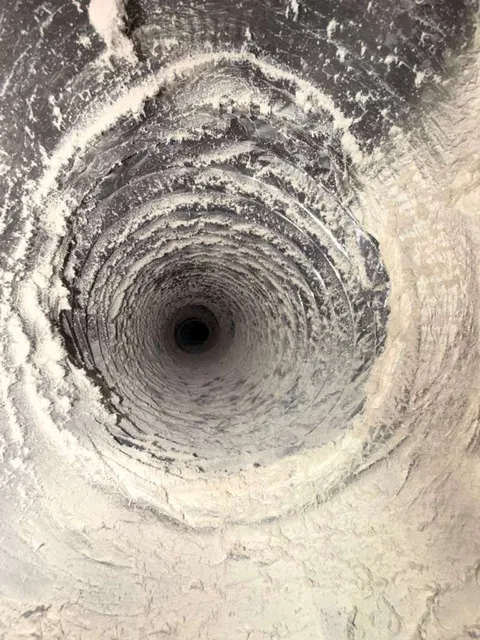
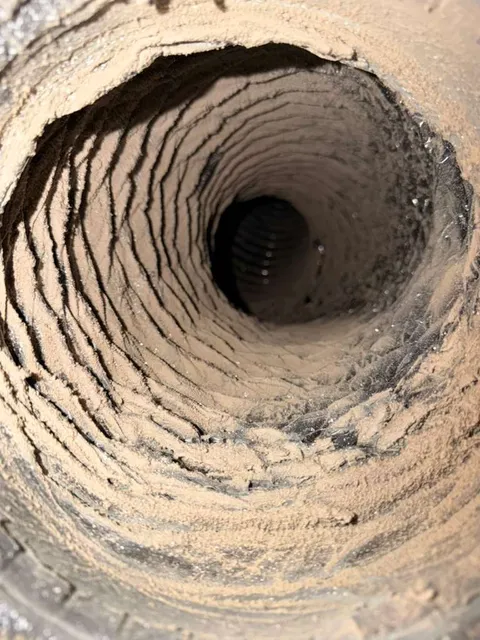
If your cleaning crew notices heavy layers of gray dust on ceiling tiles or office furniture shortly after dusting, the culprits are likely the internal linings of your ducts. In a commercial setting, high-volume air movement can detach accumulated particulates and distribute them across your expensive computers and inventory.
- Inspect the edges of supply grilles for dark streaks or “ghosting” patterns on the ceiling.
- Monitor sensitive electronic equipment for fine grit that can cause overheating or hardware failure.
- Evaluate the frequency of air filter replacements to see if they are clogging faster than normal.
Keeping the air pathways clear protects your physical assets from the abrasive nature of industrial and urban dust. A clean ventilation path minimizes the need for specialized deep-cleaning services for your office interior.
Persistent Musty Odors and Air Quality Complaints
Staff complaints regarding stale air or “office sickness” are often rooted in biological growth within the dark, damp sections of a large duct network. Because commercial systems manage high volumes of humidity, standing water in the ducts can lead to mold colonies that release spores into the shared breathing zone.
- Take note of any “dirty sock” smells that intensify when the air conditioning first kicks on.
- Investigate reports of increased allergy symptoms or headaches among employees in specific zones.
- Check condensate pans and drainage lines for blockages that could back up into the ductwork.
Prioritizing respiratory health leads to fewer sick days and a higher overall morale within the professional environment. Neutralizing these odors at the source is the only way to guarantee a truly fresh and professional atmosphere.
Unusual Noises and Mechanical Vibrations
Commercial ducts are subject to high static pressure, and any loose panels or failing hangers can result in distracting noises that disrupt a quiet office. Rattling, whistling, or booming sounds often signal that a duct segment has become disconnected or that the internal dampers are malfunctioning.
- Listen for high-pitched whistling, which usually indicates a pressurized air leak in a metal joint.
- Watch for vibrating ceiling tiles that may suggest a duct is resting directly on the grid.
- Document any “banging” sounds that occur when the blower motor starts or stops.
Securing these physical components restores the quiet environment necessary for focused work and professional meetings. Eliminating mechanical noise also prevents the vibration damage that can eventually lead to structural cracks in the vents.
Uneven Temperature Distribution Across Zones
In a well-balanced commercial building, every office and conference room should maintain a consistent temperature relative to the thermostat. If certain areas remain uncomfortably hot or cold, it is a clear sign of a blockage, a fallen duct, or a failed mixing box within the distribution network.
- Use an infrared thermometer to check for temperature variances between different workstations.
- Verify that air is actually blowing from every supply register in the affected zone.
- Inspect the “flex” duct connections above the ceiling for any detached or crushed segments.
Restoring balanced airflow ensures that all occupants remain comfortable regardless of their location in the building. A properly tuned system eliminates the need for personal space heaters or fans, which are often fire hazards in a corporate setting.
Protect Your Business Infrastructure for the Long Term
Investing in the health of your commercial air ducts is a strategic move that pays dividends in both employee satisfaction and equipment longevity. A high-performing ventilation system is a foundational element of a modern, efficient, and healthy workplace.
By staying vigilant and addressing these warning signs immediately, you safeguard your facility against the risks of poor air quality and high energy waste. You can lead your team with confidence knowing that your building’s infrastructure is optimized for success.
About Bloom Air Duct Cleaning
Bloom Air Duct Cleaning is a Dallas, Texas air duct and HVAC cleaning company, founded in 2026 by Yuval Carmel, that helps DFW homeowners breathe cleaner air with upfront, flat-rate pricing.
- Camera footage and photos of your actual ducts, before and after
- Written flat-rate quotes - the price you approve is the price you pay
- Real, unfiltered customer reviews on our reviews page and Google profile
- Same-day appointments, seven days a week, 7 AM to 8 PM
Questions about your home? Call (469) 517-1229 or get a free written quote.