Air Vent Sanitization Dallas TX

Quick answer:
  • Vents and ducts are cleaned first, then treated with EPA-registered sanitizing products
  • Popular after renovations, illness, previous mold, or moving into a new home
  • Honest advice: if your system does not need sanitizing, we tell you

Send Us A Message

Air vent sanitization is the finishing step that turns clean ductwork into genuinely fresh air: after dust and debris are removed, we treat vents, registers, and duct surfaces with EPA-registered sanitizing products to address the bacteria, mold spores, and odor sources that vacuuming alone leaves behind. Dallas homes and businesses book it after illness runs through a household, when vents carry a stale or musty smell, or as the final stage of a full duct cleaning.

What Vent Sanitization Involves

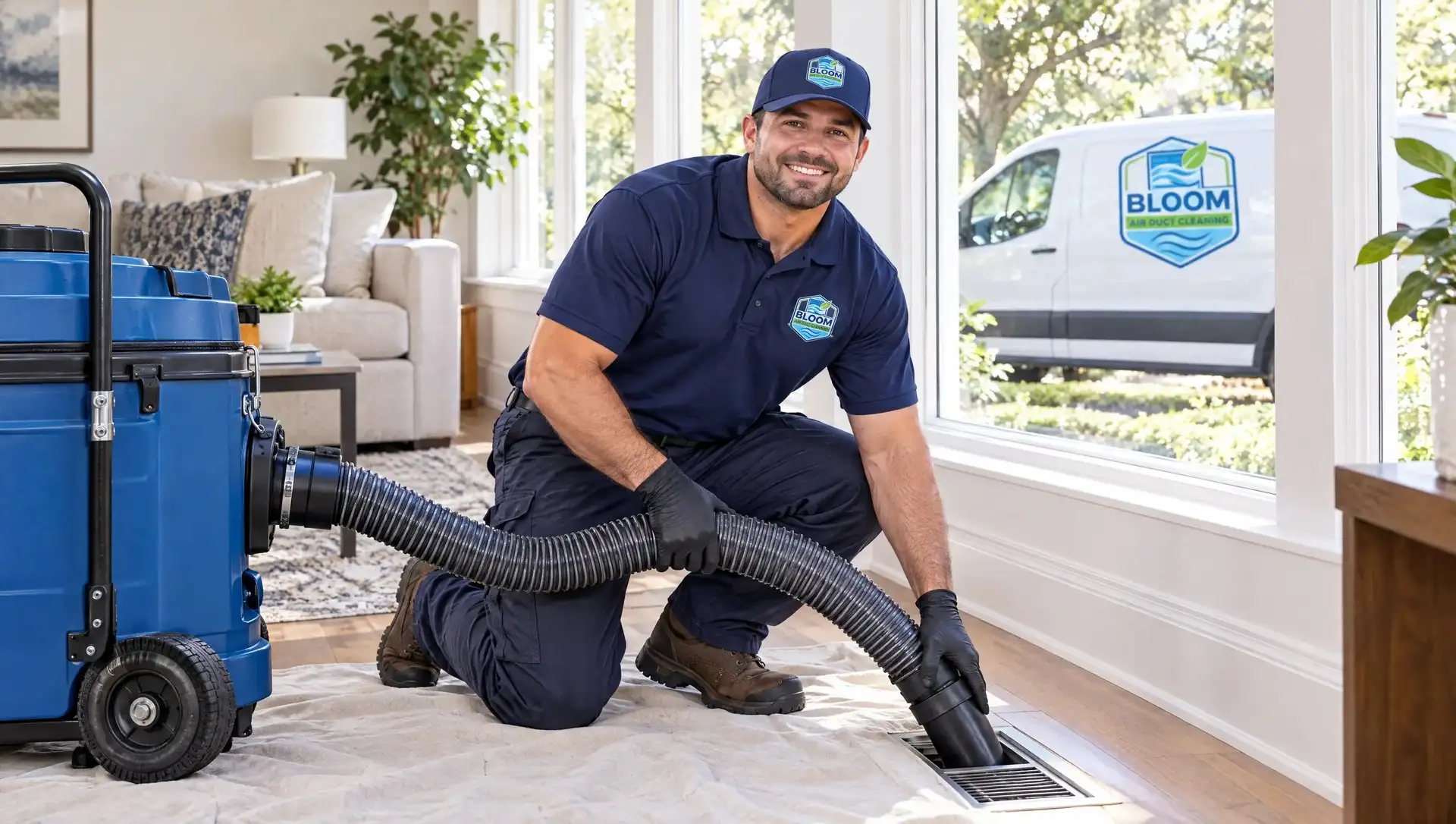
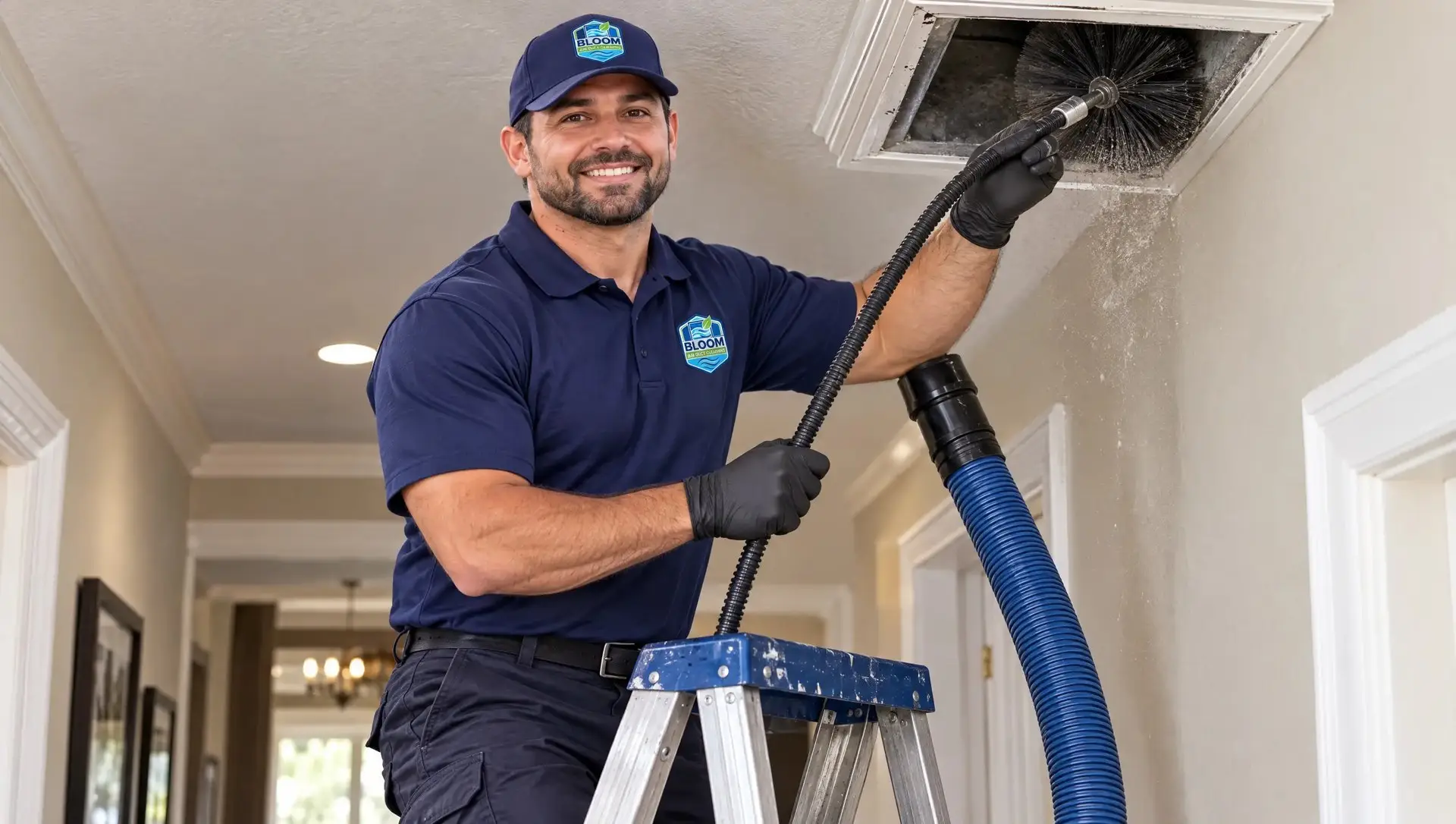
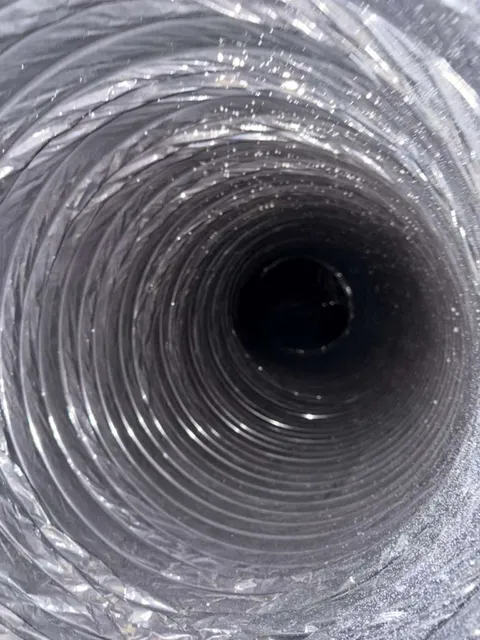
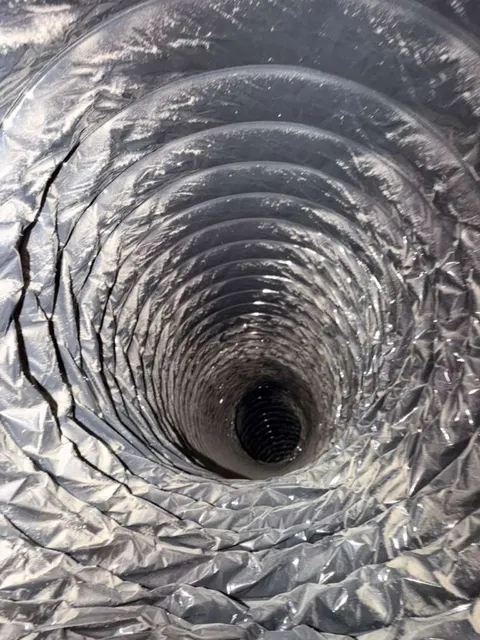
We remove supply and return covers, clean the grilles and the duct boots behind them, and vacuum out the reachable duct sections where buildup collects. Then the sanitizing treatment is applied to those surfaces — the points where system air makes its last contact before entering your rooms. The visit covers every vent in the building, not just the ones that look dirty, because the system circulates air through all of them.

Cleaning First, Then Sanitizing

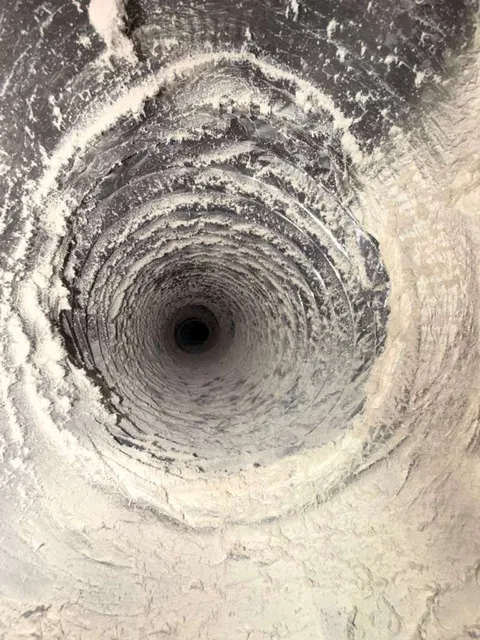
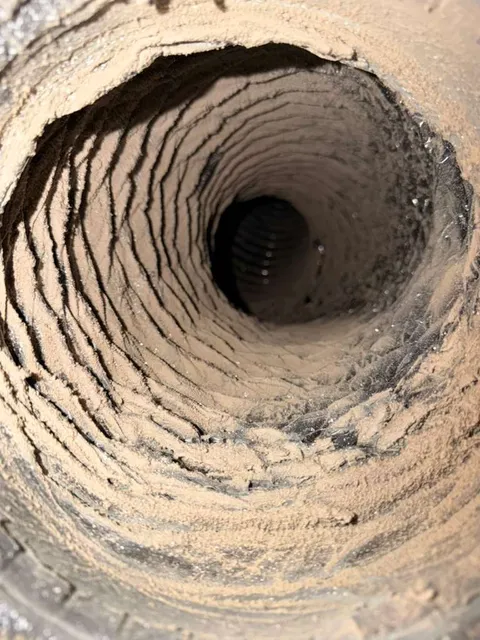
Order matters. Sanitizer sprayed over a layer of dust treats the top of the dust and nothing else — which is why fogging-only services smell great for a week and change nothing. We physically remove buildup first, then treat the cleaned surface so the product actually reaches what it is meant to treat. If your ducts have not been cleaned in years, we will tell you up front whether a full duct cleaning should come first to make the sanitization worth your money.

Supply & Return Vent Treatment

Supply vents deliver air to your rooms; return vents pull room air — with its dust, dander, and whatever else — back into the system. Returns are usually the dirtier of the two and the more commonly skipped. We treat both: supply registers and boots so delivered air stays clean, and return grilles and cavities so the system stops re-ingesting contamination. Bathroom and kitchen-adjacent vents get particular attention, since they see the most moisture and odor.

Getting Rid of Vent Odors

A smell that comes from the vents has a source in the system — mildew on a duct boot, bacteria in settled dust, or moisture somewhere it should not be. Sanitization removes the odor by treating the source surface rather than masking it, and we do not use fragranced products to cover what we could not find. If the smell points to active mold growth deeper in the ductwork, we will show you and recommend duct mold removal instead, because sanitizing over a mold colony is not a fix.

Homes, Offices & High-Traffic Spaces

We sanitize vent systems in houses and apartments, and in the commercial spaces where air quality is part of the job — offices, gyms, salons, clinics, and childcare facilities. For businesses we schedule outside operating hours when needed and can set up a recurring schedule so treatments happen automatically. Pricing is quoted up front based on the number of vents and system size, before any work starts.

Products & Safety

Everything we apply is EPA-registered and labeled for use in HVAC systems, applied at label rates by technicians who do this daily. The treatments we use are safe for occupied homes once dry, including households with children and pets — we will tell you the specific products used and any short re-entry window before we start. If anyone in the building has chemical sensitivities, mention it when booking and we will plan the visit around it.

When to Book Vent Sanitization

Sanitization earns its keep in a few specific situations:

  • Musty or stale smells when the system runs
  • After illness has cycled through the household or office
  • Following a mold removal or major duct cleaning, as the finishing treatment
  • Moving into a home where the previous owners had pets or smoked
  • Allergy symptoms that persist even with clean filters

If you are not sure it is the right service, describe the problem when you call and we will give you a straight answer.

Book Air Vent Sanitization in Dallas TX

Fresh air out of every vent — that is the whole point. Call (469) 517-1229 or send us a message to schedule air vent sanitization anywhere in the Dallas area, with upfront pricing and honest advice about whether it is the service you actually need. To read up on what actually affects the air in your home, the EPA’s indoor air quality resources are a good neutral source.

Frequently Asked Questions

How much does air duct cleaning cost in Dallas?

Whole-house specials start at 99 dollars, and deep cleaning runs 35 dollars per duct. Every job gets a written flat-rate quote before work starts.

How long does air duct cleaning take?

Most single-system Dallas homes take 2 to 4 hours. Larger homes or two-system houses take longer, and your written quote includes a time estimate.

How often should air ducts be cleaned in Dallas?

Most Dallas homes benefit from cleaning every 1 to 3 years. Homes with pets, allergies, or recent renovation need it more often.

Do you show proof of what is inside my ducts?

Yes. You see camera footage and photos of your actual ducts before and after the work.

Does my home actually need duct cleaning?

Not every home does. If there is visible dust at the vents, odors when the HVAC runs, or it has been more than three years, it is worth it - and if your ducts do not need cleaning, we tell you.

What equipment do you use?

Negative-air machines, rotary brushes, and HEPA filtration. Deep cleaning uses a Rotobrush system on each individual duct.

Do you clean commercial ductwork?

Yes. We clean ducts in offices, retail spaces, and multi-unit buildings across DFW, scheduled around business hours.

Does duct cleaning help with allergies?

It removes the dust, pollen, and pet dander stored in your ductwork, which reduces the irritants recirculating through the home.

What areas do you serve?

Dallas, Fort Worth, Colleyville, and North Richland Hills, plus surrounding DFW communities.

Are there hidden fees?

No. The written price you approve is the price you pay. Anything extra, like mold treatment, is quoted separately before any work.